12 Essential Skin Care Tips for Clear Skin
12/20/202513 min read


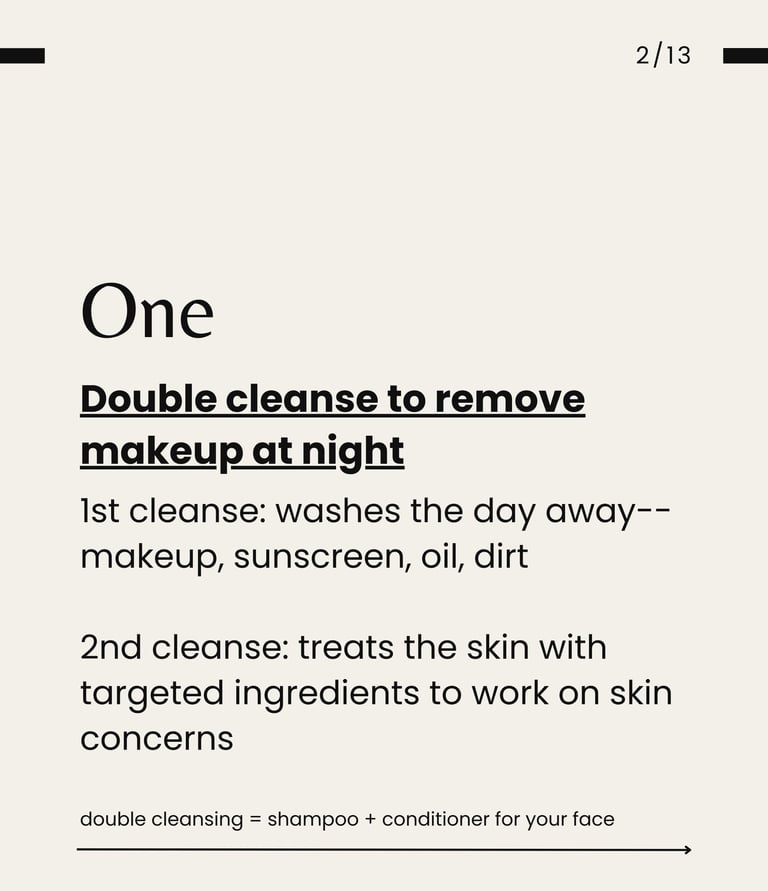
1. Double Cleanse to Remove Makeup at Night
Maintaining clear skin begins with a proper cleansing routine, especially for individuals who regularly wear makeup. One of the most effective methods is double cleansing, which involves two distinct steps to ensure thorough removal of impurities and cosmetics. This technique not only refreshes the skin but also plays a critical role in preventing clogged pores, which are a common cause of breakouts.
The first step of double cleansing utilizes an oil-based cleanser. This type of cleanser is specifically designed to dissolve makeup, sebum, and other oil-based impurities. When massaged onto the skin, the oil effectively melts away heavy foundation, waterproof mascara, and other products, ensuring a complete removal without harsh scrubbing. For those concerned about the discomfort typically associated with makeup removal, an oil-based solution can provide a gentle alternative that does not strip the skin of its natural moisture.
Following the oil cleanse, the next step involves a water-based cleanser. This second cleanse is instrumental in washing away any residual oil and remaining impurities that may linger after the first step. By using a foaming or gel cleanser, the skin benefits from a refreshing clean that penetrates deeper into the pores, thereby enhancing the skin’s overall clarity and texture.
Incorporating a double cleansing routine, especially at night, can significantly impact the health of your skin. With regular practice, individuals are likely to notice a reduction in breakouts and an improvement in skin clarity. Ultimately, this method serves as a vital preparation for subsequent skincare treatments, paving the way for practical and effective skincare solutions.
2. Wash Pillowcases Weekly
Maintaining clear skin involves paying attention to various factors in your environment, one of which is the cleanliness of your pillowcases. Over time, pillowcases can accumulate oils, sweat, and bacteria from the skin, which may contribute to skin issues like breakouts and irritation. Thus, the habit of washing pillowcases regularly is a simple yet effective measure to promote better skin health.
It is generally recommended to wash your pillowcases at least once a week. This frequency helps to ensure that accumulated residues do not have a prolonged impact on your skin. For those with oily or acne-prone skin, more frequent washing may be beneficial. Utilize warm water and a gentle detergent to cleanse your pillowcases, as harsh chemicals can irritate the skin further.
Additionally, considering the type of fabric used for pillowcases is crucial for skin health. Materials like cotton or silk can be more beneficial compared to synthetic fabrics which may not allow the skin to breathe as well. Cotton is breathable and absorbent, while silk is known for its smoother texture, which reduces friction against the skin. Switching to hypoallergenic fabrics can also be a wise choice, especially for individuals with sensitive skin or allergies, as these materials are less likely to harbor dust mites and other irritants.
After 1 week, a pillowcase can hold 3M bacteria- 17x more than a toilet seat. change your bedding at least once a week and switch to an anti-bacterial pillowcase.
3. Wash Makeup Brushes Often
Maintaining clear skin necessitates not only a robust skincare routine but also the regular cleaning of makeup brushes. These tools are essential for applying cosmetics effectively, yet they can also accumulate dirt, oil, and bacteria over time. When brushes are not cleaned frequently, the buildup of these elements can lead to skin irritations, breakouts, and other complications.
Makeup brushes harbor an environment conducive for bacterial growth due to the residual product and organic materials such as skin cells. Each time you apply makeup, you reintroduce these contaminants onto your skin, which can disrupt your skin's natural barrier and provoke acne or other skin issues. As such, it is recommended that you wash your brushes at least once a week to ensure optimal hygiene.
To clean your brushes effectively, start by rinsing the bristles under lukewarm water. Be careful to keep the handle and ferule dry to avoid loosening the bristles. Next, apply a gentle brush cleaner or a mix of mild soap with water. Gently swirl the brush in the palm of your hand or in a small dish. Rinse thoroughly until the water runs clear, ensuring all soap and debris are removed. Finally, reshape the bristles and lay the brushes flat to dry, which helps maintain their shape and prolongs their life.
In summary, dedicating time to wash your makeup brushes frequently not only extends their longevity but is crucial in your pursuit of clear skin. A simple habit of keeping brushes clean can have a significantly positive influence on your skin health overall.
4. Avoid Picking at Your Breakouts
The urge to pick at skin breakouts is a common phenomenon; however, this behavior can exacerbate the situation significantly. When individuals pick at active breakouts, they introduce bacteria from their hands and potentially cause further inflammation, which may lead to more pronounced redness and swelling. Additionally, the physical act of picking can disrupt the skin’s barrier, increasing the risk of scarring and prolonging the healing process.
One psychological approach to prevent picking is to understand the triggers that lead to this behavior. Stress, anxiety, and even boredom can lead to skin picking, which might serve as a temporary distraction. Developing healthier coping strategies is essential. Techniques such as mindfulness, deep-breathing exercises, and engaging in hobbies can help redirect focus away from that urge. Keeping hands busy with fidget toys or stress balls may also reduce the likelihood of picking.
For managing breakouts more effectively, consider adopting a skincare routine that includes targeted treatments such as salicylic acid or benzoyl peroxide. These ingredients help to reduce inflammation and prevent the formation of new pimples. If you find yourself overwhelmed by the need to pick, alternatives such as applying a cold compress can soothe the area and reduce redness, making it less tempting to touch. Additionally, using a pimple patch can protect those blemishes, serving as both a visual barrier and a physical one, allowing the skin to heal without further interference.
Finally, it’s beneficial to maintain an overall skincare regimen that emphasizes hydration and the use of non-comedogenic products. Keeping the skin healthy and well-moisturized can lessen the instances of breakouts and, consequently, the urge to pick at them. By practicing these strategies, individuals can foster clearer skin while minimizing the temptation to engage in picking behaviors.
5. Ice Your Breakouts
Applying ice to acne-affected areas is a powerful technique that can help reduce inflammation and redness, promoting quicker healing of breakouts. When acne lesions become inflamed, they can appear larger and more noticeable. The application of cold temperatures can constrict blood vessels, which diminishes local inflammation and decreases the intensity of redness.
The cooling effect of ice not only helps soothe irritated skin but can also relieve any associated pain or discomfort that may occur with breakouts. It works by numbing the area and temporarily reducing oil production on the skin's surface. This can lead to a significant reduction in the visibility of blemishes and allows for the healing process to begin sooner.
For practical application, wrap a few ice cubes in a clean cloth or use an ice pack to prevent direct contact with the skin, which can cause frostbite. Apply the wrapped ice gently to the breakout for about 10 to 15 minutes. This technique is particularly effective when done at the first signs of a breakout or when large pimples are surfacing. Generally, it is recommended to repeat this treatment two or three times a day, depending on the severity of the inflammation.
While icing is beneficial, it should complement a comprehensive acne treatment plan that includes cleansing, moisturizing, and other skincare routines. It is not a standalone solution but rather a helpful tool to manage breakouts effectively. Consistent use combined with other skincare recommendations can enhance the overall health of your skin, ensuring it remains clear and free from acne.
6. Rinse with Cold Water to Protect Your Barrier
After cleansing your face, it is beneficial to rinse with cold water to protect and strengthen your skin's barrier. The skin barrier, comprised of lipids and proteins, plays a vital role in maintaining hydration and overall skin health. Cold water helps to close the pores that may have opened during the cleansing process, thereby minimizing their appearance and reducing the potential for dirt or contaminants to enter.
From a scientific perspective, temperature affects the microcirculation in the skin. Warm water opens the blood vessels, which promotes increased blood flow but also makes the skin more susceptible to irritants. Conversely, cold water constricts the blood vessels, which can lead to a reduction in redness and inflammation. This process can be particularly advantageous for individuals with sensitive skin or conditions such as rosacea, as it aids in calming the skin and preserving its delicate balance.
Additionally, rinsing with cold water can enhance skin resilience by stimulating collagen production. Collagen is a key protein in the skin that provides structure and elasticity. The shock of cold water can encourage the skin to maintain a firmer appearance, which is essential for reducing the signs of aging. Overall, using cold water as a final rinse is a simple yet effective addition to any skincare routine, significantly contributing to clearer, healthier skin.
7. Get Enough Sleep
Sleep plays a vital role in the maintenance and health of the skin, acting as a restorative process where the body repairs and regenerates cells. Insufficient sleep can exacerbate skin issues due to the elevation of stress hormones, such as cortisol, which can lead to inflammation, increased oil production, and various skin conditions like acne and eczema. Furthermore, poor sleep can impair the skin's ability to recover from damage, making it more susceptible to the effects of environmental stressors.
When the body does not receive adequate rest, it tends to show these signs outwardly. Lack of sleep can manifest as dark circles under the eyes, dull complexion, and an overall lack of vitality in the skin. Conversely, sufficient restful sleep allows for the production of collagen, which enhances skin elasticity and hydration, contributing to a clearer and more radiant complexion.
To improve overall skin clarity, it is essential to prioritize sleep hygiene, which not only benefits skin health but also promotes overall well-being. Here are some recommendations for improving sleep duration and quality:
Establish a regular sleep schedule by going to bed and waking up at consistent times, even on weekends.
Create a relaxing bedtime routine to signal to your body that it’s time to wind down, which can include activities such as reading or gentle stretching.
Ensure your sleep environment is conducive to rest by keeping the bedroom dark, quiet, and at a comfortable temperature.
Avoid caffeine and electronic devices before bedtime, as they can interfere with your ability to fall asleep and may reduce the quality of your sleep.
By incorporating these sleep hygiene tips into your daily routine, you will not only improve your sleep quality but also promote healthier skin, ensuring a more vibrant and clear complexion.
8. Stay Hydrated
Hydration plays a pivotal role in maintaining skin health and is essential for achieving a clear and radiant complexion. The human skin is the body's largest organ, and adequate water intake is crucial for its elasticity, suppleness, and overall appearance. When the skin is properly hydrated, it can effectively perform its protective functions, regulate temperature, and heal from environmental damage. Conversely, dehydration can lead to numerous skin issues, including dryness, flakiness, and a dull complexion.
To ensure you maintain optimal hydration levels, it's important to develop a routine that includes sufficient water intake throughout the day. A common guideline suggests consuming at least eight 8-ounce glasses of water daily, commonly referred to as the "8x8 rule." However, individual hydration needs can vary based on factors like age, activity level, and climate. Listening to your body and adjusting your fluid intake according to your specific requirements is crucial.
Incorporating hydrating foods into your diet can also boost your skin's moisture levels. Fruits and vegetables such as cucumbers, watermelon, oranges, and leafy greens have high water content and contribute not only hydration but also essential nutrients that support skin health. Furthermore, monitoring your skin for signs of dehydration—such as increased dryness, tightness, and premature aging—can help you adjust your water consumption as needed.
Additionally, remember that external factors can influence your skin's hydration. Dry climates or excessive sun exposure can strip moisture from the skin. You may also consider using hydrating skincare products, such as moisturizers or serums containing hyaluronic acid, to further enhance your skin's moisture retention. By maintaining a consistent hydration strategy, you can significantly improve your skin's appearance and overall health.
9. Eat a Whole Food Diet Rich in Antioxidants
Embarking on a journey towards clearer skin often begins with dietary choices. A whole food diet, particularly one that is abundant in antioxidants, plays a significant role in promoting healthy skin. Antioxidants are compounds that help neutralize free radicals, which are unstable molecules that can harm cellular structures, leading to premature aging and skin damage.
Foods that are particularly high in antioxidants include berries, nuts, dark leafy greens, and colorful vegetables. For instance, blueberries and strawberries not only provide vitamins but are also rich in flavonoids, powerful antioxidants that combat oxidative stress. Similarly, spinach and kale are packed with vitamins A, C, and E, which contribute to skin repair and rejuvenation.
Incorporating these nutrient-dense foods into daily meals can enhance the skin's ability to fight damage caused by environmental toxins and UV radiation. Moreover, a whole food diet often emphasizes the need to minimize processed foods, which are frequently devoid of essential nutrients and can lead to inflammation, a common culprit in skin issues.
A diet rich in antioxidants not only aids in cellular repair but also boosts skin hydration and elasticity. Foods like avocados, which contain healthy fats and antioxidants, provide benefits that extend beyond skin appearance to overall skin health. By fostering hydration levels and offering protection against oxidative damage, these foods contribute to a more youthful and vibrant complexion.
In conclusion, embracing a whole food diet rich in antioxidants can significantly enhance skin health. By prioritizing a variety of fruits, vegetables, and whole grains, individuals can nourish their skin from within, ultimately leading to a clearer, more radiant complexion.
10. Get Adequate Vitamin D
Vitamin D is an essential nutrient that plays a significant role in maintaining overall skin health. One of its primary functions is to aid in skin repair, promoting the healing of wounds and reducing inflammation. This vitamin is also crucial for the immune system, which helps in protecting the skin from infections and other skin-related ailments. A deficiency in vitamin D can lead to various skin issues, including dryness, eczema, and psoriasis. Therefore, ensuring adequate levels of vitamin D is vital for achieving and maintaining clear and healthy skin.
Natural sources of vitamin D include fatty fish such as salmon and mackerel, fortified foods, and egg yolks. However, sunlight is one of the best sources of vitamin D, as the skin synthesizes this nutrient when exposed to ultraviolet B (UVB) rays. While safe sun exposure is essential, it is important to balance this with the risk of skin damage from harmful UV rays. Short periods of sun exposure, around 10 to 30 minutes several times a week, can be sufficient for maintaining optimal vitamin D levels, depending on one's skin tone, geographical location, and time of year.
While obtaining vitamin D from sunlight, it is advisable to wear sunscreen for prolonged exposure to protect against skin cancer. For individuals who have limited sun exposure, dietary sources or supplements may be beneficial to ensure adequate vitamin D levels. Consulting with a healthcare provider can help determine the best methods to achieve and maintain sufficient levels safely.
11. Be Mindful to Not Touch Your Face
Touching one’s face is a common habit that can have detrimental effects on skin health. Every time you touch your face, you risk transferring dirt, oil, and bacteria from your hands to your skin. This transmission can lead to clogged pores, breakouts, and other skin irritations. The skin on the face is particularly sensitive, and frequent contact can exacerbate these issues, making it crucial to be aware of this habit.
To address this issue, it is vital to recognize the times and triggers that lead you to touch your face. Many individuals are not even aware of doing it, often relying on hand-to-face contact when they are stressed, deep in thought, or bored. Keeping a journal to note these moments can help develop a greater awareness of the habit, leading to proactive measures to reduce the frequency of face-touching.
One effective strategy is to keep your hands busy with alternative activities. Fidget tools, stress balls, or simply engaging in something that occupies the hands can prevent the urge to touch your face. Additionally, maintaining excellent hygiene practices such as regular hand washing can decrease the risk of transferring bacteria to the skin. Applying facial skincare products as needed can also serve as a reminder to avoid hand contact with the face. If you feel the itch to touch or scratch an area, consider using a clean cotton pad or tissue instead.
Ultimately, being mindful of not touching your face is an essential step towards achieving clear skin. This small change in behavior, combined with other skincare practices, can contribute to a healthier and more radiant complexion over time.
12. Disinfect Your Phone Regularly
Smartphones have become an integral part of our daily lives, often serving as our primary communication device, source of information, and even entertainment. However, they can also act as a breeding ground for bacteria and germs. The surfaces of phones, including screens and cases, frequently come into contact with our hands, faces, and various environments, resulting in a significant accumulation of microorganisms. Due to this, regular disinfection becomes essential for maintaining skin health and preventing breakouts.
Experts recommend disinfecting your phone at least once a day, especially if you use it frequently throughout the day. This is crucial during the flu season or in the wake of global health concerns where maintaining hygiene is paramount. You can use antiseptic wipes with at least 70% isopropyl alcohol or a microfiber cloth slightly moistened with disinfectant spray to clean the surface of your phone. It is important to ensure that the cloth is not too wet, as excess moisture can damage the device.
In addition to daily cleaning, consider incorporating a deep clean of your phone once a week. This could involve a more thorough sanitization process, including removing the case and cleaning both the case and the phone itself. Many cases are washable or can be wiped down effectively without risk of damage. Furthermore, be cautious about sharing your phone with others, as this can introduce additional bacteria. If you must share, a quick disinfecting wipe can minimize the potential transfer of germs.
In conclusion, prioritizing the cleanliness of your smartphone is a simple yet effective way to enhance your overall skin care routine. By adopting the habit of regular disinfection, you contribute to your skin's health, helping to keep it clear and free from unwanted blemishes.
Download Free PDF
Clear skin isn’t just about products—it’s about daily habits. This free PDF shares 12 simple skincare and lifestyle tips that anyone can start doing to support healthier, clearer-looking skin. These easy, realistic habits help you build a routine that works with your skin, not against it.
Perfect for beginners or anyone wanting to improve their skin naturally and consistently.